
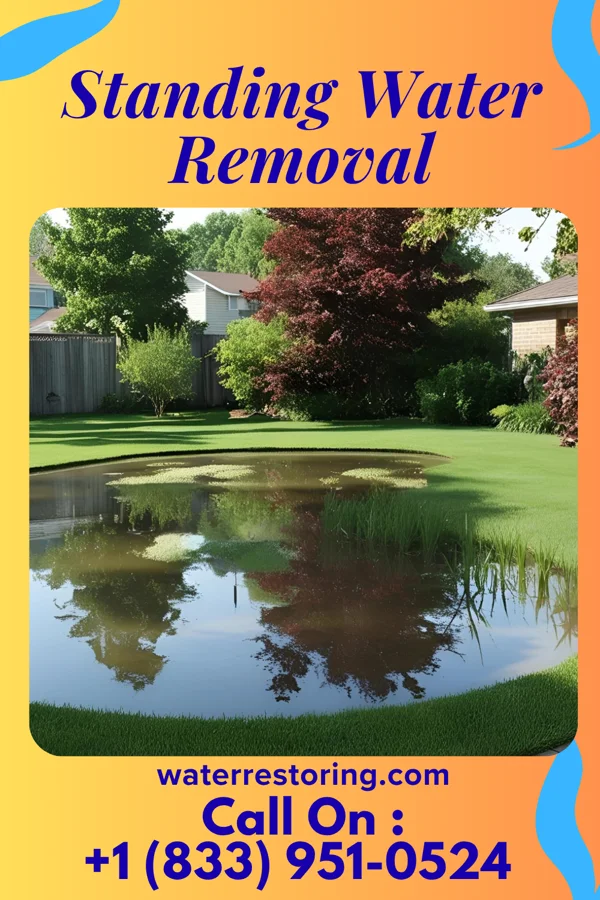
Stanley Standing Water Drivers
Water damage in Stanley tends to cluster in predictable windows because of the local climate. In Stanley, Wisconsin, water damage often stems from burst pipes, heavy rainfall, and frozen plumbing lines that thaw unexpectedly. The rural setting means that isolated homes are more vulnerable to sudden water intrusions, especially during spring thaw or late winter storms. A close second is Secondary causes include leaking roofs, faulty sump pumps, and groundwater seepage into basements. The area's clay soil can also contribute to water accumulation around foundations, particularly after prolonged rain events..
Stanley experiences cold winters and heavy spring rains, increasing the risk of frozen pipes and sudden water intrusion. The region's rural landscape and limited infrastructure can delay emergency responses, making quick action critical.
Stanley experiences cold winters and heavy spring rains, increasing the risk of frozen pipes and sudden water intrusion. The region's rural landscape and limited infrastructure can delay emergency responses, making quick action critical. The dominant local driver is In Stanley, Wisconsin, water damage often stems from burst pipes, heavy rainfall, and frozen plumbing lines that thaw unexpectedly. The rural setting means that isolated homes are more vulnerable to sudden water intrusions, especially during spring thaw or late winter storms., with Secondary causes include leaking roofs, faulty sump pumps, and groundwater seepage into basements. The area's clay soil can also contribute to water accumulation around foundations, particularly after prolonged rain events. showing up as the next most common cause. Damage builds in stages. Spread. Absorption. Microbial growth. Structural compromise. Every stage you pass through adds to the final bill.